The Subscription Trap
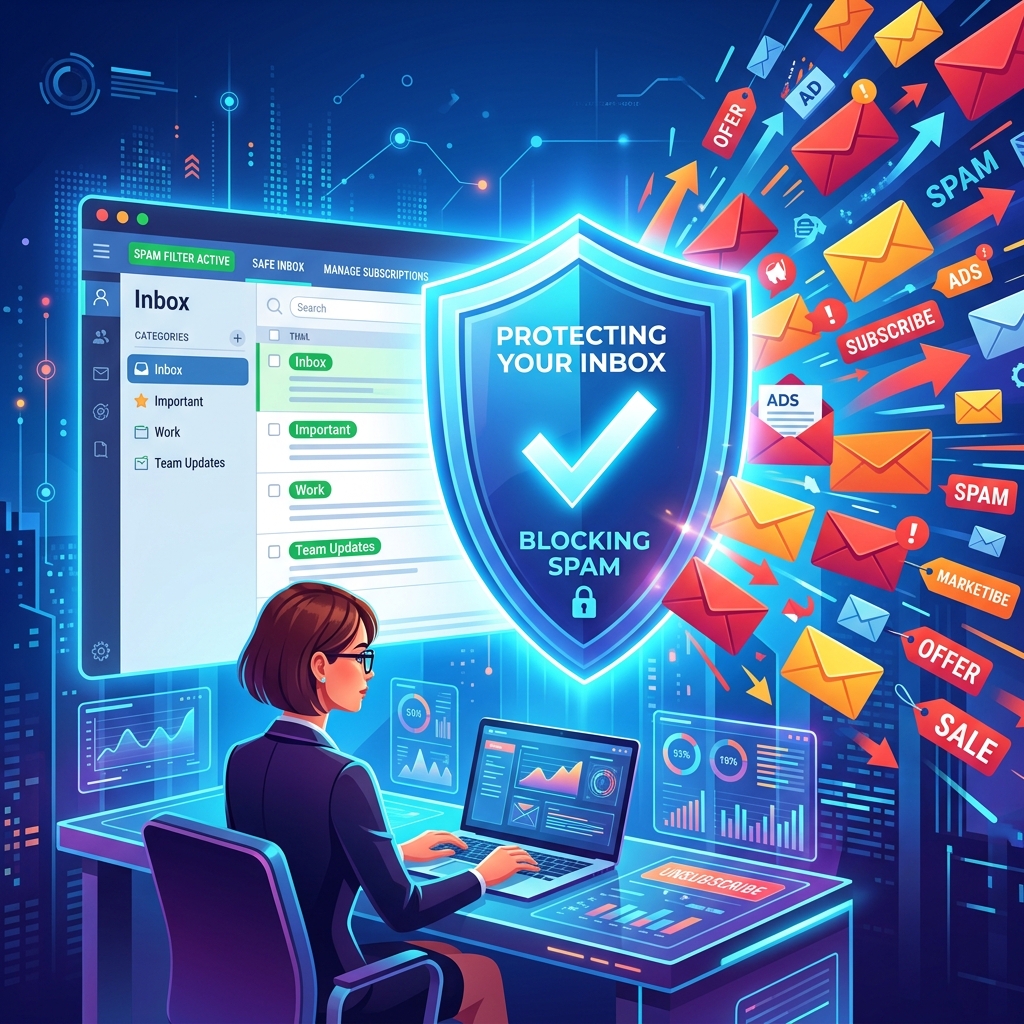
You signed up for a free 7-day trial, grabbed the free eBook, or accessed that one article behind a paywall. Weeks later, your inbox is flooded with emails from a company you barely remember, and your credit card has been charged for a subscription you never intended to keep. Sound familiar?
This pattern affects millions of people. The subscription economy is designed to make signing up effortless and opting out difficult. This guide gives you the tools and tactics to flip that dynamic in your favor.
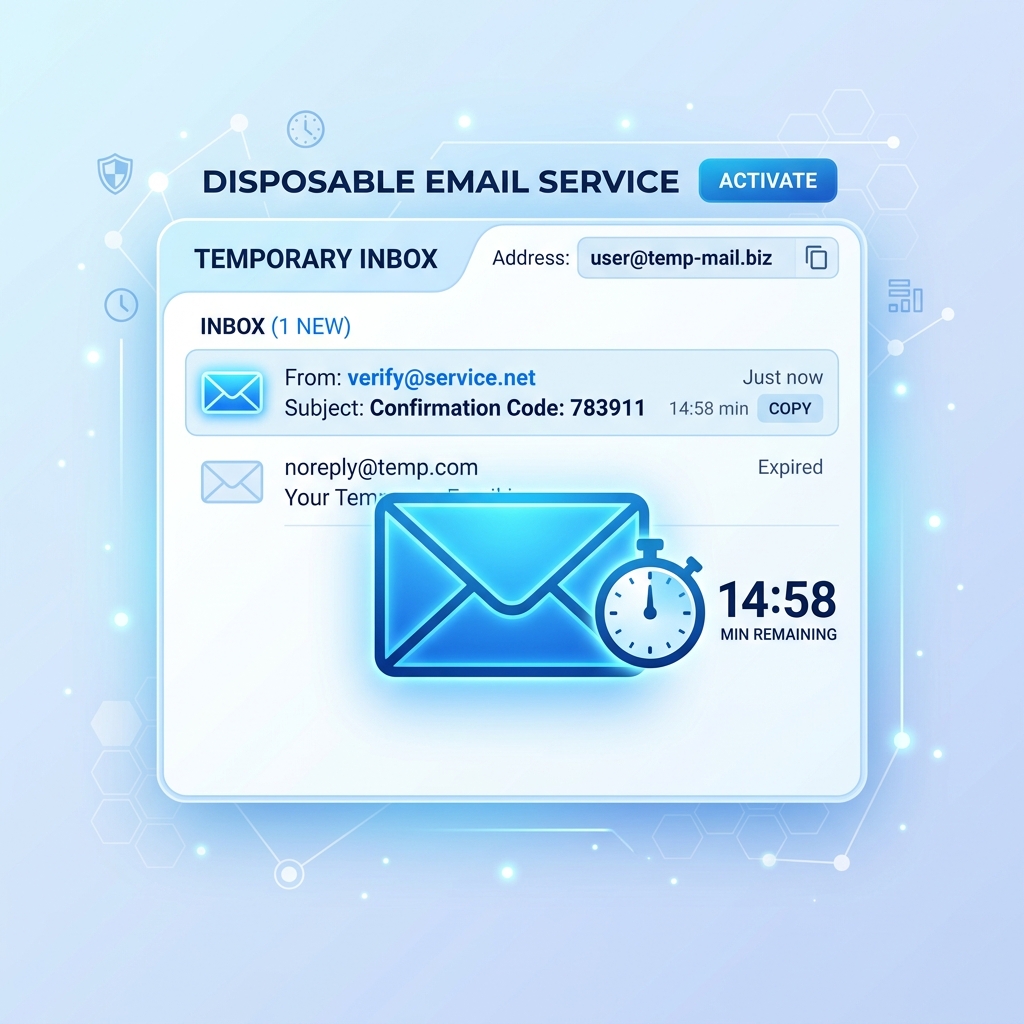
Strategy 1: Use a Temporary Email for Every Trial and Freebie
The single most effective way to avoid unwanted email subscriptions is to never give out your real email address in the first place. A temporary email address lets you access the trial, download, or exclusive content you want — and then simply disappear when the inevitable marketing campaign begins.
Think of it as a one-way door: you get what you came for, and the company gets nothing they can use to reach you afterward. This approach is especially powerful for:
- Software trials (productivity tools, design apps, streaming services)
- Newsletter opt-ins to access premium content
- Webinar registrations where attendance is all you need
- Contest entries and promotional giveaways
Strategy 2: Use Virtual Cards for Free Trial Sign-Ups
When a trial requires a credit card "to verify your account," use a virtual card number with a $0 or $1 spending limit. If the company attempts to charge you after the trial, the transaction simply fails. Your real card information is never exposed, and you face no risk of accidental charges.
Many banks and services now offer virtual card generation: Privacy.com (US), Revolut (EU/UK), and several major credit card issuers. This strategy protects your finances the same way a temp email protects your inbox.
Strategy 3: Read the Fine Print Before You Subscribe
Free trials almost universally convert to paid subscriptions unless you cancel before the deadline. Key things to look for:
- The exact end date of the trial period
- Whether cancellation must be done 24-48 hours before the end date
- Whether "cancel" means you lose access immediately or at the end of the period
- What the recurring charge amount will be if you continue
Set a calendar reminder for two days before the trial ends. This gives you time to evaluate and cancel if needed, without losing access to the service until the last moment.
Strategy 4: Use a Subscription Management Tool
If your inbox is already flooded with subscriptions, services like Unroll.Me, Clean Email, or Leave Me Alone aggregate all your subscriptions in one dashboard and let you unsubscribe in bulk. These tools can save hours of manual unsubscribing and provide visibility into subscriptions you may have forgotten about entirely.
Strategy 5: Create a Dedicated "Junk" Email Account
If you prefer not to use a temporary email service, create a secondary permanent email account specifically for subscriptions, trials, and promotional sign-ups. Keep this address completely separate from your real identity and primary communications. Check it once a week at most, and treat anything there as low-priority.
Strategy 6: Immediately Unsubscribe from Confirmed Marketing Lists
For legitimate companies — those you recognize and whose emails contain a real unsubscribe link — actually using the unsubscribe function is safe and usually effective within a few days. CAN-SPAM (US) and GDPR (EU) regulations require companies to honor unsubscribe requests within 10 business days. If a company fails to do so, you can report them to the FTC or your local data protection authority.
Managing the Subscriptions You Actually Want
Not all subscriptions are bad — some newsletters, product updates, and service communications are genuinely useful. The goal is not to eliminate all subscriptions but to keep only those that add value. Consider doing a subscription audit every quarter:
- Review every subscription in your inbox over the past month.
- For each one, ask: did I read this? Did it provide value?
- Keep what adds value; unsubscribe from everything else.
Conclusion
Unwanted subscriptions are a solvable problem. By using a temporary email address for trials and freebies, deploying virtual cards for payment-required sign-ups, and performing regular inbox audits, you can maintain complete control over what lands in your inbox.
Your time and attention are your most valuable resources. Don't let careless sign-up habits drain them. Also see our guide on how to stop spam before it starts for a broader approach to inbox management.