The Modern Spam Problem
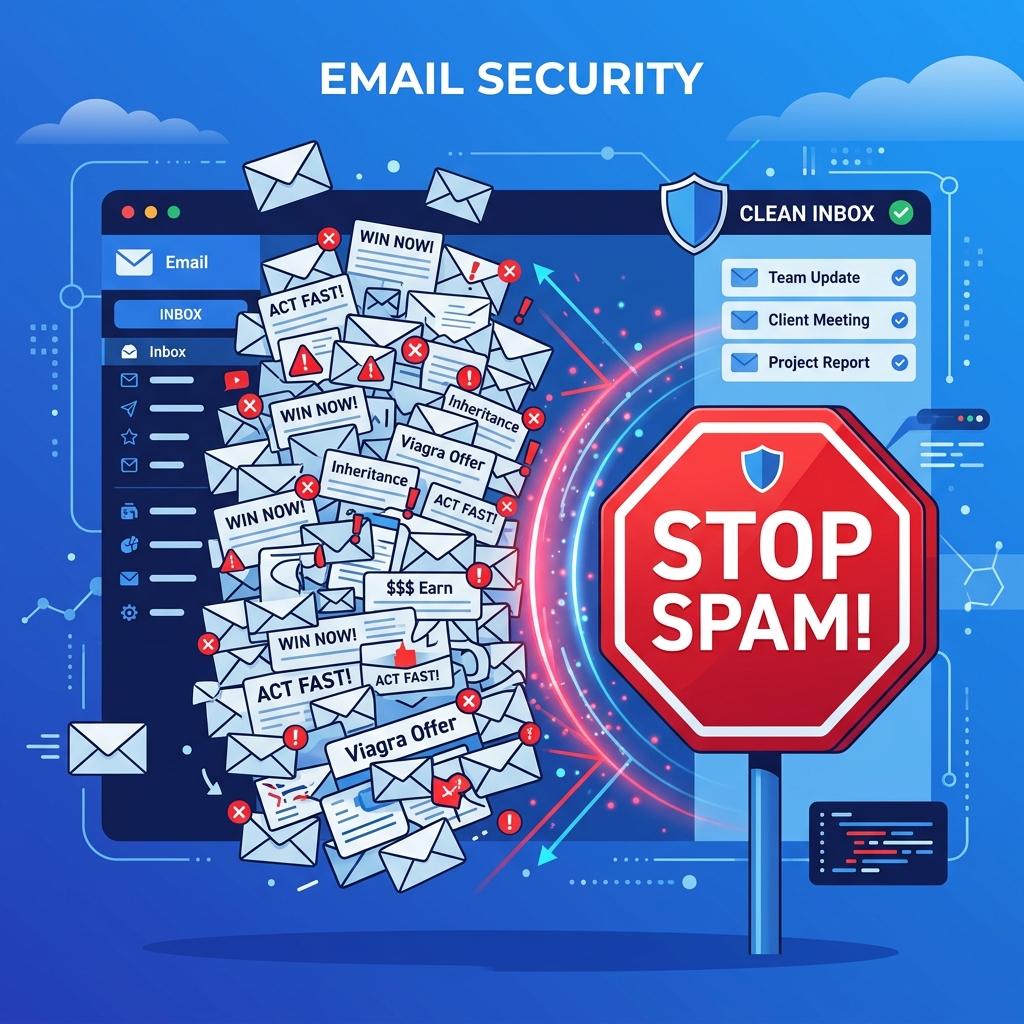
Email spam has evolved far beyond Nigerian prince scams. Today's spam is sophisticated, personalized, and relentless. According to recent studies, over 45% of all email traffic globally is spam. For the average user, this translates to dozens of unwanted messages per day competing for attention with the emails that actually matter.
The good news? Most spam is preventable. The strategies in this guide address spam at its root — before it ever reaches your inbox.
Strategy 1: Guard Your Primary Email Address
The most effective anti-spam measure is also the simplest: never give out your real email address to services you don't fully trust. Your primary email should be reserved for:
- Personal contacts (family, friends)
- Professional communication (work, clients)
- Critical services (banking, healthcare, government)
For everything else — online shopping, forum sign-ups, app registrations, one-time downloads — use a temporary email address. This single habit can eliminate the majority of spam before it starts.
Strategy 2: Use a Temporary Email for Non-Essential Sign-Ups
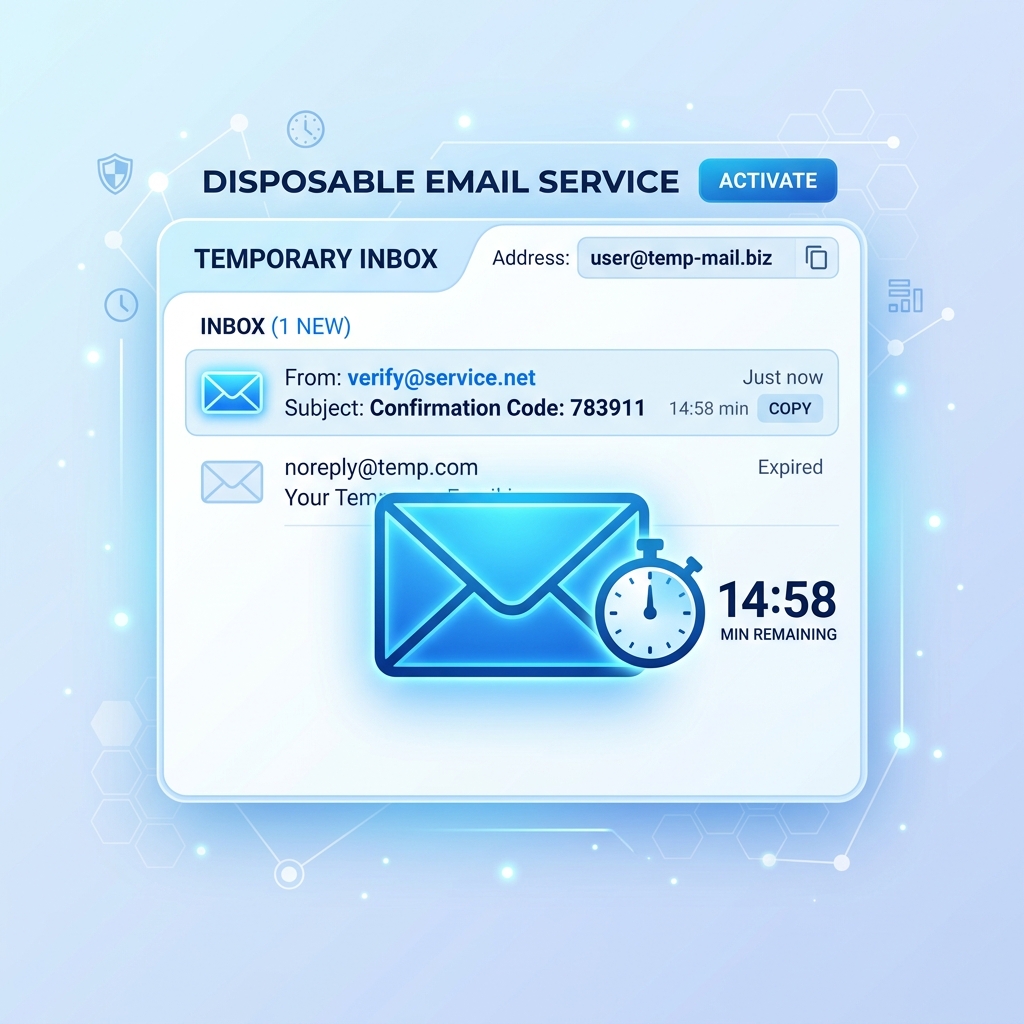
Temporary email services provide you with a functioning, disposable inbox in seconds. You can receive verification emails, sign up for trials, and access gated content — all without exposing your real address. Once you're done, the temp email simply expires. No unsubscribing, no "manage preferences" — just silence.
This is particularly useful for:
- E-commerce sites you're visiting for the first time
- Newsletter opt-ins for one-time resources (free ebooks, webinars)
- App store sign-ups and game registrations
- Forum and community platforms
Strategy 3: Use Email Aliasing for Long-Term Services
For services you plan to use regularly but still want to protect, consider email aliasing. Services like SimpleLogin or Apple's "Hide My Email" create a unique alias for each site that forwards to your real inbox. If one alias starts receiving spam, you can disable it without changing your email address.
Strategy 4: Optimize Your Spam Filters
Modern email clients have powerful spam filters, but they require training. Make the most of yours by:
- Marking spam aggressively: Every time you mark an email as spam instead of just deleting it, you train your filter to recognize similar messages in the future.
- Not engaging with spam: Opening spam emails, clicking "unsubscribe" in suspicious emails, or loading images confirms to spammers that your address is active.
- Creating custom filters: Most email clients allow you to create rules that automatically sort or delete emails matching certain criteria.
Strategy 5: Unsubscribe Safely and Strategically
Legitimate marketing emails from companies you once trusted should include a valid unsubscribe link. Using it is safe and effective for newsletters from recognized brands. However, never click unsubscribe on emails from unknown senders — it confirms your email is active and often results in more spam.
Strategy 6: Avoid Publishing Your Email Publicly
If your email address appears publicly on a website, forum, or social media profile, it will be harvested by spam bots within hours. Best practices include:
- Using a contact form instead of displaying your email on websites
- Writing it out as "yourname [at] example [dot] com" when it must be shown
- Using a separate email for any public-facing profiles
Strategy 7: Enable Two-Factor Authentication
Sometimes spam is a symptom of a bigger problem — your account has been compromised. Enabling 2FA ensures that even if a spammer obtains your credentials through a data breach, they cannot take over your account to send spam from it.
Quick Reference: Spam Prevention Checklist
- ✅ Never give your real email to untrusted sites — use a temp email
- ✅ Create email aliases for trusted recurring services
- ✅ Mark spam instead of deleting it to train filters
- ✅ Never engage with suspicious "unsubscribe" links
- ✅ Remove your email from public directories and social profiles
- ✅ Enable 2FA to prevent account hijacking
- ✅ Regularly review and delete unused accounts
Conclusion
Stopping spam is not about finding the perfect filter after the fact — it is about being strategic before your address is ever exposed. By combining a temporary email address for casual sign-ups, aliasing for trusted services, and smart filter management, you can reduce your spam volume by over 90%. Your inbox should be a tool that serves you, not a burden you dread opening every morning.
Start today: get a free temporary email address and give every new sign-up an address that cannot be traced back to you.